
Tampering With Evidence in Tennessee
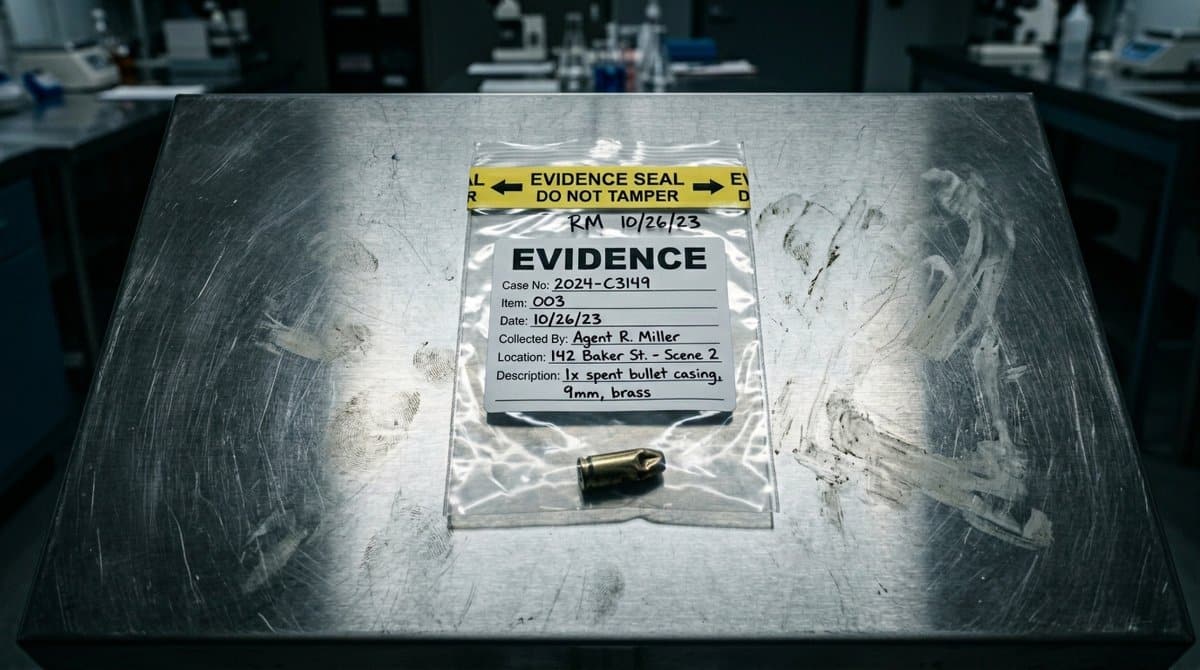 Being charged with tampering with evidence can be confusing, especially when it is for something as basic as deleting a message, throwing something away or moving an item. Just because an act involves possible evidence doesn’t make it a crime. What the person knew at the time matters, as does why they acted.
In Tennessee, evidence tampering involves the destruction, concealment, alteration, or fabrication of evidence relevant to a legal inquiry or court proceeding. Intent and knowledge are such important elements of the charge that the facts surrounding what happened can make a big difference. Understanding how Tennessee law defines evidence tampering can help someone get a clearer picture of what the state would need to prove.
What is tampering with evidence in Tennessee?
Evidence tampering usually involves doing something to evidence when you know an investigation or court matter is pending or already underway. That could mean destroying something, hiding it, changing it, or making it harder to use as evidence. The law can also apply when someone knowingly creates or uses false evidence to influence an investigation or proceeding.
Examples of evidence tampering
Evidence tampering can happen in many different ways. It might involve shredding documents, deleting texts or emails, wiping fingerprints from an object, hiding a weapon, or moving something so investigators cannot find it. It can also include changing existing evidence, creating false evidence, or getting rid of an item because you know it could be used in an investigation.
What elements must be proven?
Prosecutors must show certain factors to prove a criminal offense of evidence tampering:
Intent
Prosecutors must prove that the defendant knew an investigation or official proceeding was pending or in progress and acted with the intent required by the evidence-tampering statute. This means they intentionally and actively tampered with evidence with intent to impair its use as evidence. Someone accidentally or unknowingly destroying evidence isn’t typically enough to prove this element.
Knowledge
The prosecution must also show that the person knew an investigation was pending or in progress. They must also show that the person acted with intent to impair the material’s verity, legibility, or availability as evidence. For fabricated evidence, the prosecution must show knowledge of its falsity and intent to affect the course or outcome of the investigation or proceeding.
Evidence
There has to be a record, document, or thing related to a pending or in-progress investigation that was tampered with or fabricated. Evidence could include documents, digital images, video recordings, or a physical object.
What impact does tampering with evidence have on cases?
An investigation may be in jeopardy if evidence is tampered with. It may impact the prosecutor’s case or the outcome of the hearing. It can hinder proving guilt or innocence. In some cases, the result may be unjust or a wrongful conviction.
Tampering cases are often more complicated than they first appear. Throwing something away, deleting a message, or cleaning up a space does not automatically mean someone committed a crime. What matters is what the person knew at the time and why they took that action. Those details can make a major difference when prosecutors decide whether the conduct actually meets Tennessee’s definition of evidence tampering.
What are the consequences of tampering with evidence?
Tennessee takes evidence tampering seriously. Evidence tampering is a Class C felony. Convictions may also result in up to $10,000 in fines. People convicted of a Class C felony may see three to fifteen years of imprisonment. Anyone facing a tampering with evidence charge in Tennessee is encouraged to speak to a criminal defense lawyer to understand their legal options.
How can a criminal defense lawyer help clients?
Criminal defense lawyers help their clients in several ways:
- Advocate for their clients’ rights by negotiating with prosecutors to seek reduced charges, sentences, or other consequences.
- Investigate cases, searching for inconsistencies, rights violations, and other issues to help build a strong defense.
- Build a defense by communicating with clients to determine the best path forward. Common defenses may include:
○ Lack of knowledge. If the state cannot prove the required knowledge, the defendant may avoid a conviction.
○ Lack of intent. If someone destroys evidence but doesn’t intend to interfere with an investigation, and the state cannot prove the required intent, they may be able to avoid a conviction.
○ Mistake of fact. An attorney can argue that their client lacked the required knowledge or intent because they mistakenly believed the item was unrelated to the investigation.
○ Duress. In some situations, someone might destroy evidence under duress. They could be acting under a present, imminent, and impending threat of death, serious bodily injury, or grave sexual abuse and unable to withdraw safely.
Offer sound legal guidance and insight
Criminal defense lawyers offer their clients sound legal guidance and insight. They educate them on their rights and support them with court proceedings. Lawyers help clients to understand how to respond to questioning from prosecutors.
File an appeal
When someone is convicted after pleading not guilty, they generally have the right to appeal.
Contact The Law Offices of Adrian H. Altshuler & Associates for a free consultation today
Tampering with evidence in Tennessee can have serious consequences. An attorney can help. The Law Offices of Adrian H. Altshuler & Associates offers free consultations. Contact us today to request your free appointment and learn more about your legal options.